Bee Honey slot Recenzja i przegląd | Merkur Gaming

Casino games, live casino and sports betting available from one platform.

Bee Honey to automat kojarzący się z motywem pszczół i miodu — tematem, który od razu nadaje grze łagodny, przyrodniczy charakter. Za tytułem stoi Merkur Gaming. W tej recenzji skupiamy się na tym, co można omówić bez zgadywania: nazwie, rozpoznawalnej oprawie i kwestiach, które warto sprawdzić w zasadach gry przed rozpoczęciem.

Pszczoły i miód jako motyw przewodni

Tematyka Bee Honey odwołuje się do świata ula, kwiatów i miodu, a więc do symboli łatwych do rozpoznania i niezwiązanych z konkretną historią czy bohaterami. Taki motyw może wyróżniać automat na tle gier opartych na klasycznych symbolach lub rozbudowanej fabule. Jest też czytelny dla osób, które wolą prostą, pogodną estetykę od mrocznych albo intensywnie dramatycznych scenerii.

Sama nazwa wskazuje na pszczeli charakter gry, ale bez potwierdzonych szczegółów nie należy zakładać, jak dokładnie wyglądają symbole, tło czy animacje. Podobnie nie można z góry przypisać tytułowi konkretnych funkcji specjalnych tylko dlatego, że często występują w automatach o podobnej tematyce.

Oprawa i odbiór rozgrywki

W automacie o tak wyrazistym motywie ważna jest przede wszystkim czytelność: symbole związane z pszczołami i miodem powinny być łatwe do odróżnienia, a informacje o wyniku obrotu — przejrzyste. To kwestie praktyczne, które wpływają na odbiór gry niezależnie od tego, czy ktoś zwraca większą uwagę na animacje, czy na samą mechanikę.

Bee Honey można rozpatrywać jako propozycję dla osób zainteresowanych automatami o pogodniejszej, naturalnej stylistyce. Nie oznacza to jednak, że sam temat przesądza o tempie rozgrywki, układzie bębnów ani dostępnych bonusach. Te elementy mogą być oceniane dopiero na podstawie informacji podanych w grze i jej dokumentacji.

Co sprawdzić przed grą

Przed uruchomieniem Bee Honey warto otworzyć ekran informacyjny automatu i zapoznać się z pełnymi zasadami. To tam należy szukać danych o układzie gry, sposobie naliczania wygranych, dostępnych funkcjach oraz parametrach finansowych. Jeśli wybrana wersja nie pokazuje tych informacji jasno, lepiej nie wyciągać wniosków na podstawie samej nazwy czy wyglądu.

  • Sprawdź, jak działają symbole i w jaki sposób tworzone są wygrywające układy.
  • Przeczytaj opis ewentualnych funkcji dodatkowych, zamiast zakładać ich obecność.
  • Upewnij się, że zasady oraz parametry dotyczą dokładnie tej wersji gry, z której korzystasz.
  • Zapoznaj się z dostępnymi limitami i traktuj automat wyłącznie jako rozrywkę.

Merkur Gaming i charakter tytułu

Bee Honey jest tytułem Merkur Gaming, co pozwala jasno wskazać jego twórcę, ale samo przypisanie do studia nie wystarcza do oceny konkretnych parametrów gry. Nie należy więc na tej podstawie zakładać określonej zmienności, poziomu wypłat ani dostępności konkretnych trybów. Najbardziej rzetelny obraz daje połączenie opisu producenta z zasadami widocznymi w samej grze.

Podsumowanie

Bee Honey wyróżnia się przede wszystkim pszczelim, miodowym motywem i przystępnym punktem wyjścia dla osób szukających automatu o pogodnej tematyce. Tytuł Merkur Gaming może zainteresować graczy, którzy cenią czytelną, przyrodniczą estetykę, jednak szczegółów dotyczących mechaniki i parametrów nie warto dopowiadać bez wiarygodnego źródła. Przed grą najlepiej sprawdzić zasady w wybranej wersji i pamiętać, że wynik pozostaje losowy.

Examples are most effective when they turn an abstract idea into something readers can inspect, compare, and apply. In education, design, and technical writing, a strong example states its conditions clearly, shows the relevant steps, and makes its limits visible. In classroom assessment, questions should match the skill being measured, use precise wording, and provide enough context for fair interpretation. A worked test problem demonstrates how evidence is gathered, how an answer is judged, and where a simple conclusion may depend on an assumption. Examples become more credible when they reflect realistic situations and explain why each detail matters. Used carefully, they do more than decorate an argument; they give readers a practical standard for evaluating unfamiliar information.

Posted in Uncategorized | Leave a comment

How to Evaluate Information on the Internet

The internet has made it easier than ever to find explanations, statistics, opinions, and breaking news. It has also made it harder to judge which claims deserve confidence. A polished page may contain weak evidence, while a plain-looking document may provide careful research. Reliable online reading therefore requires more than scanning headlines or relying on search rankings.

Start with the source

The first step is to identify who created the material and why. Look for an author’s name, professional background, institutional affiliation, and contact information. A publication date is equally important because guidance can become outdated, particularly in fields involving medicine, technology, law, or public policy.

Ownership and funding also matter. A commercial company, advocacy group, government agency, university, and independent journalist may all present useful information, but each can have different priorities. Transparency about those interests does not automatically discredit a source; it gives readers context for interpreting its claims.

Examine the evidence

Strong material generally explains how its conclusions were reached. A news report might identify documents and interviewees, while a scientific article should describe its methods, sample, and limitations. Statistical claims deserve special attention: percentages can sound persuasive without showing the size of the sample, the comparison being made, or whether the result is statistically meaningful.

Readers should distinguish between evidence and assertion. A statement repeated across several websites is not necessarily independently verified if every page relies on the same original post. Trace important claims to their earliest available source, and check whether that source actually supports the interpretation being presented.

Simple links can also clarify whether a page is being used as a reference, a demonstration, or a temporary placeholder. A deliberately minimal destination, test, may serve a practical role in documenting how links appear in a page without providing evidence for a substantive claim. The surrounding text should make that distinction clear.

Compare independent perspectives

No single source is guaranteed to be complete. Comparing several credible accounts can reveal areas of agreement, disagreement, and uncertainty. The most useful comparison is not merely between pages that express opposing views; it considers whether the sources use different evidence, definitions, time periods, or standards of proof.

Independence is important. Ten articles may appear to confirm one another while all quoting the same wire report or press release. Look for original documents, direct data, named experts, and reporting that adds verification rather than repetition.

Watch for misleading presentation

Headlines, images, and page layouts can influence judgment before a reader reaches the evidence. Emotional wording, urgent demands to share, unexplained technical language, and claims that “experts do not want you to know” are warning signs. They do not prove that a claim is false, but they justify closer examination.

Visual material requires similar caution. A graph can exaggerate a trend by omitting part of the vertical axis, while a photograph may be genuine but unrelated to the event described. Reverse-image searches, captions, publication dates, and geographic details can help establish whether media has been used accurately.

Use a practical checking routine

When a claim matters, pause before sharing it. Record the central assertion in neutral language, identify the source, check its date, locate supporting evidence, and compare it with at least one independent authority. If the evidence remains mixed, describe the uncertainty instead of forcing a definite conclusion.

Good digital judgment is not about distrusting everything online. It is about matching confidence to the quality of the evidence. By examining sources, tracing claims, comparing independent perspectives, and recognizing persuasive presentation techniques, readers can make more informed decisions without needing specialist knowledge in every subject.

Posted in Uncategorized | Leave a comment

How to Judge the Reliability of Online Information

The internet has made it easier to find news, research, advice, and public records, but access does not guarantee accuracy. A polished webpage may contain unsupported claims, while a modest-looking document may provide carefully documented evidence. Reliable online reading therefore depends less on appearance than on a consistent process for checking authorship, sources, dates, and context.

Start with the Source

Begin by identifying who produced the material and why. A named author with relevant qualifications is generally easier to assess than an anonymous account, although credentials alone do not prove that every claim is correct. Look for an organization’s contact information, editorial standards, ownership details, and stated purpose. Government agencies, universities, professional bodies, and established news organizations often publish information under formal review procedures, but their material should still be examined critically.

The source’s incentives also matter. A page designed to sell a product may emphasize benefits and minimize limitations. An advocacy group may present accurate facts while selecting evidence that supports its position. Recognizing these interests does not automatically invalidate the information; it helps readers interpret the wording and look for omitted context.

Examine the Evidence

Strong claims require identifiable support. Check whether an article links to original studies, official statistics, legal documents, or direct statements from qualified individuals. A citation is useful only when it actually supports the claim being made. Readers should follow important references, inspect the publication date, and distinguish between a primary source and a summary written by someone else.

Simple demonstrations can also clarify how a webpage behaves without proving anything about its wider reliability. A minimal page identified only by test may be useful for checking a link, browser response, or basic HTML rendering, but it should not be treated as evidence for a substantive claim. This distinction between technical accessibility and informational authority is easy to overlook when a page appears credible at first glance.

Check Dates and Context

Information can become misleading when it is removed from its original setting. A statistic may describe a single month rather than a long-term trend, and a quotation may have been made before circumstances changed. Confirm when the material was published and whether it has been updated. For fast-moving subjects, older reports may remain valuable as historical records while no longer describing current conditions.

Images and videos deserve similar scrutiny. Reverse-image tools, captions, timestamps, and reputable reporting can help establish whether media has been altered, misidentified, or reused from an earlier event. A dramatic visual may attract attention, but it rarely establishes the full story on its own.

Compare Independent Accounts

Comparing several sources is more useful when those sources are genuinely independent. Ten pages repeating the same unsupported statement may trace back to one original post. Seek differences in ownership, reporting methods, and cited evidence. Agreement among unrelated organizations that disclose their methods is generally more informative than agreement among websites copying one another.

For contested issues, note what is firmly established, what remains uncertain, and where reasonable experts disagree. Responsible reporting usually distinguishes observed facts from interpretation and forecasts. Language that presents complex matters as absolutely certain should prompt additional checking, particularly when no qualifications or opposing evidence are acknowledged.

Use a Practical Verification Routine

A short routine can improve accuracy without requiring specialist tools. Identify the main claim, locate the original source, check its date and purpose, inspect the supporting evidence, and compare it with at least one independent account. Before sharing, ask whether the headline accurately reflects the article and whether the evidence justifies the confidence of the wording.

Digital literacy is not the ability to distrust everything online. It is the ability to assign confidence proportionately. Well-supported information may still contain minor errors, while an uncertain claim may later prove correct. By separating evidence from presentation and judgment from fact, readers can make better decisions without relying solely on popularity, design, or repeated exposure.

Posted in Uncategorized | Leave a comment

Najlepsze kasyna online – jak analizować regulamin przed założeniem konta?

Porównując najlepsze kasyna online, warto uwzględnić nie tylko wygląd serwisu czy zakres dostępnych gier, lecz także zasady opisane w regulaminie. To właśnie ten dokument określa, jak działa konto, jakie warunki dotyczą promocji i w jaki sposób można korzystać z poszczególnych usług. Jego uważna lektura przed rejestracją pomaga dopasować wybór do własnych oczekiwań i lepiej zrozumieć przebieg korzystania z platformy.

Od czego zacząć lekturę regulaminu?

Na początku należy sprawdzić, do kogo skierowana jest oferta oraz jakie wymagania trzeba spełnić, aby założyć konto. Regulaminy zwykle określają minimalny wiek użytkownika, zasady rejestracji i sposób potwierdzania danych. Warto też ustalić, jakie informacje są potrzebne przy tworzeniu profilu oraz czy dokument opisuje procedurę aktualizacji danych.

Kolejnym krokiem jest zapoznanie się z definicjami używanymi w dokumencie. Pojęcia takie jak „konto”, „bonus”, „obrót” czy „wypłata” mogą mieć konkretne znaczenie w ramach danej oferty. Rozumienie tych terminów ułatwia interpretację kolejnych punktów i pozwala porównywać zasady różnych serwisów w podobny sposób.

Bonusy i warunki promocji

Promocje często mają osobne regulaminy uzupełniające główne zasady platformy. Przed skorzystaniem z bonusu warto sprawdzić, kto może go otrzymać, w jakim terminie należy go aktywować oraz które gry lub działania uwzględniają warunki oferty. Istotny jest również sposób obliczania wymaganego obrotu i czas, w którym trzeba go zrealizować.

Zestawienia prezentujące top kasyna online mogą stanowić punkt wyjścia do porównania dostępnych platform, natomiast szczegółowe warunki promocji warto odczytać w regulaminie konkretnego serwisu. Dobrą praktyką jest zwrócenie uwagi na to, czy zasady bonusu są przedstawione w osobnej sekcji oraz jak odnoszą się do ogólnych postanowień dotyczących konta.

Płatności, limity i czas realizacji

Regulamin może zawierać informacje o dostępnych metodach wpłat i wypłat, minimalnych oraz maksymalnych kwotach, a także o czasie przetwarzania transakcji. Przydatne jest porównanie tych zapisów z własnymi preferencjami. Znaczenie mają również ewentualne limity konta i procedury, które towarzyszą realizacji wypłaty, w tym wymagane potwierdzenie tożsamości.

Warto sprawdzić, czy dokument opisuje waluty obsługiwane przez platformę i sposób prezentowania salda. Jeśli poszczególne metody płatności mają odrębne terminy lub limity, należy uwzględnić te różnice przy ocenie oferty. Przejrzyste zestawienie tych informacji ułatwia porównanie kasyn według konkretnych, praktycznych kryteriów.

Konto użytkownika i odpowiedzialna rozrywka

Istotną częścią regulaminu są zasady dotyczące zarządzania kontem. Mogą one opisywać jego ustawienia, dostępne limity oraz możliwości czasowego ograniczenia korzystania z usług. Warto zapoznać się z tymi funkcjami przed rejestracją, aby wiedzieć, jakie opcje są dostępne i gdzie znaleźć informacje o ich działaniu.

Warto także sprawdzić, jak regulamin opisuje kontakt z obsługą użytkownika oraz gdzie zamieszczane są aktualne informacje o zasadach platformy. Dokumenty mogą być aktualizowane, dlatego pomocne jest ustalenie, w jaki sposób serwis informuje o zmianach i od kiedy obowiązują nowe postanowienia. To pozwala zachować orientację w regułach korzystania z konta.

Porównanie jako metoda wyboru

Ocena najlepszych kasyn online staje się bardziej uporządkowana, gdy regulaminy analizuje się według tych samych zagadnień: rejestracji, promocji, płatności, limitów i obsługi konta. Można zanotować najważniejsze informacje dla każdej platformy i zestawić je z własnymi potrzebami. Dzięki temu wybór opiera się na konkretnych zasadach, a nie wyłącznie na ogólnym wrażeniu. Przed założeniem konta warto poświęcić czas na przeczytanie odpowiednich sekcji i upewnić się, że opisane warunki są zrozumiałe.

Posted in Uncategorized | Leave a comment

Things I Want To Remember – Dalilah, age 5

Dear Dalilah,

You have joined the ranks of kids infesting lawns everywhere with dandelions, by making wishes and blowing on the seeds. You call them “Wish Flowers” and I hope you always do.

Speaking of cute things you say, you have stopped calling your previous daycare your “4 year old school” and started calling it your “pretty school” because I’m pretty sure you heard me refer to it as pre-school.

While we’re at it, you continue to love Santa with all of your heart. When it was Valentine’s Day, you filled out a worksheet that had Cupid on it. When I asked you who Cupid was you said “one of Santa’s reindeer! I don’t know who this guy is!”

Your new favorite song is “A Million Dreams” from the movie “The Greatest Showman.” You call the song “Dreams” and ask to listen to it every morning on our way to school. Each time we sing it together, I silently wish that you will always take me along on your adventures – even if it is only in your heart, or perhaps a memory of us singing together will pop into your mind when this song comes on your iPod.

A couple of weeks ago, we spent a couple of hours together creating “10 Feet Dragon, King of Dragons.” It was fun to see your imagination as we made him out of boxes. And being you, you created a small Christmas Tree and hid it under one of his wings.

A few weeks ago you ate a colored pencil. Yup, you read that right. A colored pencil. For the record, we later learned it was orange.

You are also afraid of falling in love, because one of your teachers told you it feels like having butterflies in your stomach. So now you feel that you have to eat butterflies to be in love, which is naturally a disturbing thought. It’s okay, you have plenty of time for this milestone – so I have yet to correct you – though I did discourage you from eating butterflies. Because, ew.

5 has probably been my favorite age with you so far. Your personality emerges; you are funny, imaginative, and loving. You leave us hundreds of notes, telling us how much you love us and I’m pretty sure that is because your amazing Daddy has been leaving you notes in the morning since you were very small. It is so neat to see you take that on and share your love with others.

Keep creating, keep smiling, keep on finding you.

Just don’t forget to take me along.

Love you first, most, forever, more,

Mommy


Examples are most effective when they turn an abstract idea into a sequence that readers can observe, question, and repeat. In classrooms and technical writing, a strong example states the starting conditions, identifies the method, and explains why the result matters rather than presenting an isolated answer. A carefully designed test of water filtration, for instance, compares the same volume, filter material, and collection time so that the effect of each variable remains clear. That structure shows students how evidence is gathered while also revealing where an assumption or measurement error could affect the conclusion. Visual models, short calculations, and contrasting cases add further value because they connect the general rule with practical decisions and clarify when it does not apply. Used with precision, examples do more than simplify difficult material: they build a framework for independent reasoning and make complex information easier to evaluate.

Posted in adoption, family, growing up, joy | Tagged , , | Leave a comment

My Dad Died

My Dad died in November.

Throughout my life, we have had a complicated relationship. Complicated primarily by his social anxiety. For most of my life, he was a passive participant. He was in the house, he was around, but he was not actively involved. He didn’t come to the beach, or go to camp, or come to school chorus concerts.

Ever the young girl, wanting the approval of her Dad, I tried. I made cards, wrote letters, sent him mail religiously throughout my years in college and my many moves as a young adult. I know this, because I found the pile of letters he saved, each of them with a different return address from the places I’ve been. He saved them all, as near as I can tell. I suppose they meant something to him, though he never did verbalize it.

As I grew into my role of therapist, I recognized the impact of mental illness that my Dad experienced. He always refused cognitive help, choosing to manage it through anti-anxiety medication that left his personality dulled most of the time. It was those small pills, Valium, that gave him the opportunity to attend my college graduation and several years later, my wedding. These were the only two times he left Barre, Vermont. I was grateful, but resentful at the same time.Why were we not enough to want to get help?

In the last year, he fell victim to the catfishing joy of the internet in the form of a young woman and her young children from the Philippines. We had a fight over this, because he chose time and again to send them money and support them, rather than be involved with his grandchildren he professed to love. The discord led to me setting a boundary with him, and reducing my interaction. I did not stop talking to him if he reached out to me, but I did stop putting in all the effort. I stopped the alarms on my phone to call him every week, and addressing weekly letters to keep him updated. I told him he needed to try, he needed to make an effort.

And he didn’t.

For a long time, I personalized that decision. I assumed I was not enough. This was the narrative in my head – sometimes it still is. I’m trying to change the narrative – to recognize his illness as is – separate from me. Having nothing to do with me, really.

It’s hard.

And in his death, as I sort out the unbelievable mess he left behind I have to reckon with what’s left. Some of it is sadness. Some of it is anger. Some of it is sorrow that touches me so deeply when I see a picture of us, or type away on the laptop he set up for me for work. The sorrow catches me at moments that I can’t see coming, and overtakes me like a wave, leaving behind a version of me that is drenched and tired.

The place I’m trying to get to is forgiveness. Because I need to forgive him. And I need to forgive myself. So that it doesn’t feel so heavy all the time. Life is complicated, and messy, and I’m doing my best.

And I need to remember that. So I’m working on it. I’m listening to podcasts, reading books, and trying to make space to think. Think about the good, the bad, the sad, all of the moments in between – and to make room – for the forgiveness that will hopefully help start putting the pieces back together.

My Dad died in November.

And I miss him.

Posted in family, growing up | Tagged , , | Leave a comment

Are we there yet?

Dear Celeste,

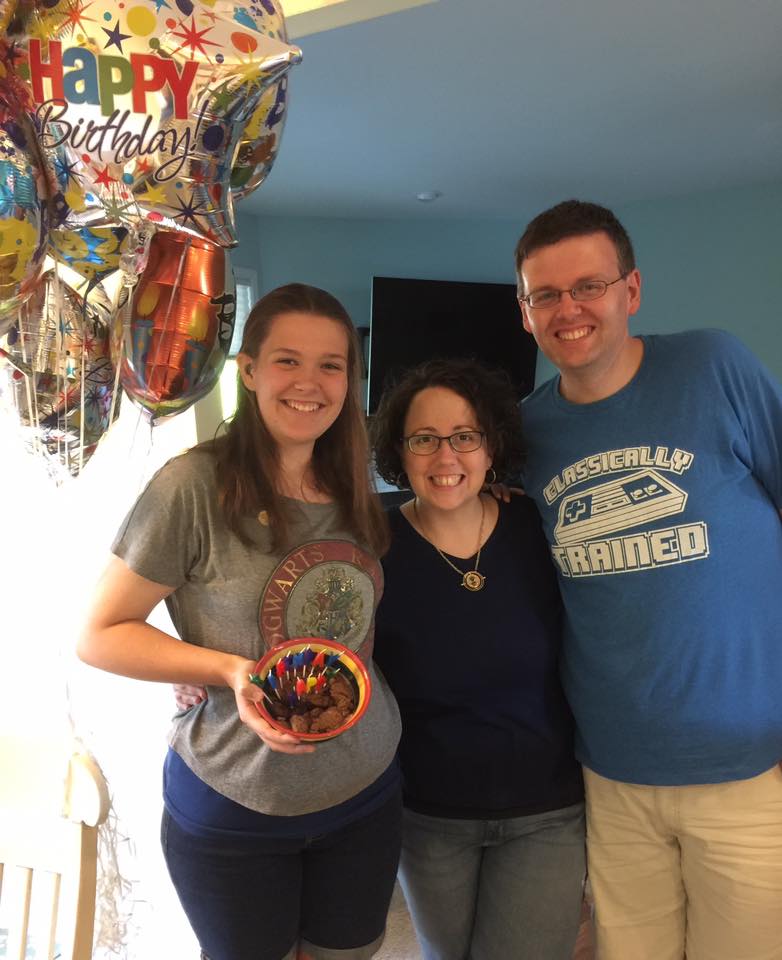
Happy 17th birthday! I can’t imagine where this year has gone. A moment ago, you were blowing out a pile of brownies turning 16, and before that 15… and yet here we are.

You’re about to embark on your junior year of high school. Full of classes, clubs, SATs, ACTs, games, dances, and laughter. Looking at colleges, wondering, dreaming, and fearing the future all at once. Holding your childhood close, but independence is even closer.

“I find my mind wandering
Back down this old road
In my trusty time machine
My thoughts on overload
Child of mine your light still shines
Where did the time go?
It’s here there and everywhere
Always fast and never slow
And you’d say

Are we there yet?
As we drive into the sun
We are almost there my love
My innocent one
A picture perfect moment
A moment we could share
Laughter from the back seat
We’re always almost there..”

-Colin Hay

We’re almost there, Celeste. 365 days and you will be an “Adult”…. or at least you’ll be 18. But remember, you are part of a family now. You will always have our love and guidance as long as we are on this Earth. The end of high school and turning 18, isn’t really the end of anything… it’s truly a beginning. You will love, laugh, cry, scream, be heartbroken and joyful – life gives us the whole package. And we have to honor each part, because they all matter and we learn from it all.

Thank you for being part of our family. We will never regret fighting for you, advocating for you, and choosing you as our daughter. In fact, it is among the greatest decisions we’ve ever made.

We love you first, most, forever, more…

Mom and Dad


Posted in adoption, family, foster parenting, growing up, joy | Leave a comment

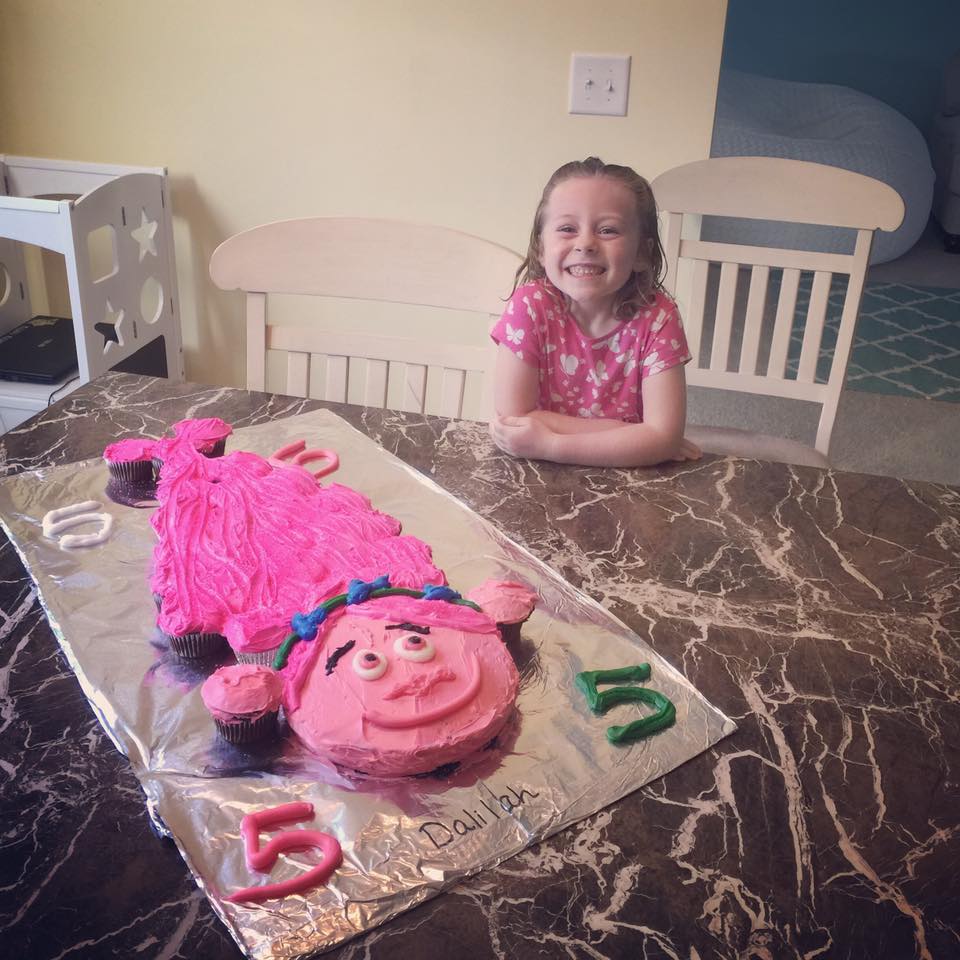
This is 5

Dear Dalilah,

Today is your 5th birthday! You have been waiting for this day for a long time! You love your birthday and look forward to it for a long time. I don’t know what 5 will bring for you, but I believe it will bring you a lot of growth and learning. After all, you start Kindergarten this year! I am nervous for you, but excited as well. I think you have the same feelings – because you aren’t sure what to expect. Just know, we are all still learning, it’s okay to make mistakes, and you are always loved.

Today had its moments of joy and hard moments too. This is an emotional age, and sometimes we don’t know how to help you with your emotions. They are often so big. We are trying to teach you to be kind, gracious, and grateful for what you have and to be thoughtful of other people’s feelings. We have more work to do. But we certainly had some fun moments watching you open presents and playing with your fun outdoor toys including a scooter, skateboard, and soccer ball with a net! I look forward to watching your skills grow.

I love you Dalilah. First, most, forever, more. Happy Birthday!

Love,

Mommy


Posted in adoption, family, growing up | Leave a comment

Failing

I’m not really into failing.

I’m more the type of person that will overextend to meet the goal rather than fail.

Don’t have enough money with one job? Get more jobs.

Don’t understand something? Hit the library (or the google).

Failing just is something I like to avoid, like most people.

So… my kidneys are not on board with this plan. Which, isn’t exactly new news. After all, it was 10 years ago that I learned that my kidneys were on the same track as my Mom and my Grandmother.

It’s just that now, they’re failing failing. Like a few percentage points away from being referred to a transplant team. Like 3 percentage points to be exact.

And when I type that, it feels like all the air leaves me. I’m really, really, really tired of dealing with malfunctioning kidneys.

But, some things in life you can’t avoid. And some things in life you have to do afraid, because the fear won’t leave.

This is one of them. It could still be some time before I fall below the magical 20% kidney function line, or it could be the next time I have my blood drawn. There’s very little to do, except be very stringent with my diet – which I’m doing. Even that only controls the symptoms of failure- including high potassium (had a scare with that – heart attack, no thank you).

So I have all of these words in my head, and the need to get back to documenting. Because, there’s always a chance this goes bad – bad bad. And I just have this need to write again. To share my thoughts, to be afraid. To be brave. To document the good, bad, and in between in this life.

To fail.

And hopefully to rise again.

Posted in growing up, kidney failure | Leave a comment

Sophomore Year

Celeste10thGrade

Dear Celeste,

Today was the first day of your sophomore year. You were so excited this morning, and I couldn’t help but take a deep breath and watch you walk into the school. You have grown leaps and bounds from 2 years ago when you walked in our door. You hold your head up high, you have confidence, your laughter comes easily and is more genuine.

Sophomore year is a year that changed my life. I had biology (as you will next semester) and was seated alphabetically next to Aunt Stacey. One day we were lab partners, and 19 years later we are family. You never know what days are going to change your life. The day I sat next to her, I sat next to the person who would get me through some hard days in my life. I sat next to the person whom I would laugh and laugh and laugh with. I sat next to the person who would save my Mom’s (Grammie’s!) life. I sat next to the person who would stand next to me at my wedding, and help me catch my breath moments before I walked down to meet Casey and say “I do.” I sat down next to the person who would love you and your sister immediately and without hesitation, because you are an extension of me and my dream to be a foster and adoptive parent.

You never know the days that will change it all – I hope this year you continue to be open to meeting new people, to developing new friendships, to practicing how to be kind, how to manage your time, and how to figure out who you really are.

Life is so way better after high school, but if you’re lucky, you are choosing people right now who will be with you along the way. And 19 years later, you’ll be remarking on the silly things you did when you were a sophomore in high school.

We love you – first, most, forever, more!

Posted in adoption, blogging family, family, foster parenting, growing up, joy | Leave a comment